
Weekend Walking Routes Across England
We've mapped out 15 accessible trails ranging from 3-8 miles that won't leave you exhausted but still give you quality time outdoors.

Why Walking Matters for Family Bonding
There's something magical about getting out on foot together. You're not rushing to an appointment, you're not staring at screens — you're just walking side by side, talking about whatever comes up. It's one of the best ways families actually connect.
The trails we've picked aren't about conquering mountains or testing your fitness. They're about spending a few hours outside, seeing real countryside, and coming home feeling like you've actually done something together. Most walks take 2-3 hours depending on your pace and how often you stop for photos or snacks.

The Routes We've Selected
Each trail offers something different, from coastal views to forest paths. Pick based on what appeals to your group.
Lake District: Catbells Circuit
Distance: 4.5 miles | Duration: 2.5 hours | Difficulty: Moderate
This is a proper fell walk with genuine mountain views. You'll gain about 1,000 feet elevation, but the path is well-marked and you're never on exposed ridges. The views across Derwent Water are genuinely spectacular, especially on clear days. Stop at the summit for a packed lunch — the panorama justifies the effort.
South Downs: Beachy Head Loop
Distance: 5 miles | Duration: 2 hours | Difficulty: Easy
Coastal cliffs, downland, and villages — this walk has real variety without being strenuous. You'll walk along the white cliffs for about a mile, which is genuinely breathtaking. The Birling Gap section has shingle beach access if anyone wants to scramble down for a closer look. Finish in the village of Eastdean for tea and cake.
Peak District: Monsal Trail
Distance: 6 miles | Duration: 2.5 hours | Difficulty: Easy to Moderate
Converted railway line through stunning river valleys. The surface is flat and well-maintained — you could practically do this in casual shoes. Highlights include three historic railway viaducts and the River Wye running alongside for most of the route. There's a proper station cafe at Bakewell if you want refreshments mid-walk.
Cotswolds: Bourton-on-the-Water
Distance: 3.5 miles | Duration: 1.5 hours | Difficulty: Easy
Classic English countryside through honey-colored villages. You'll walk through open fields, cross streams, and pass through quintessential villages with stone cottages. The final stretch follows the River Windrush back to Bourton — perfect for a paddle if anyone wants to cool off. Several pubs offer lunch options along the way.
Planning Your Walking Weekend
The key to a successful family walk is realistic preparation. Don't overestimate fitness levels — you're not in a race. A pace where everyone can comfortably chat is the sweet spot. Most families find 2-3 miles per hour works well, which means a 5-mile walk takes about 2 hours without stops.
Start early. An 8am departure means you'll finish by lunchtime, everyone's still energized, and you avoid afternoon rain showers. Pack proper snacks — not just sweets. Cheese, nuts, fruit, and water make a real difference in how people feel halfway through.
Footwear matters more than you'd think. Proper walking boots aren't essential for easy routes, but they're genuinely helpful on muddy or uneven paths. Make sure everyone has broken in their shoes beforehand — nothing ruins a walk faster than blisters.
What to Actually Bring
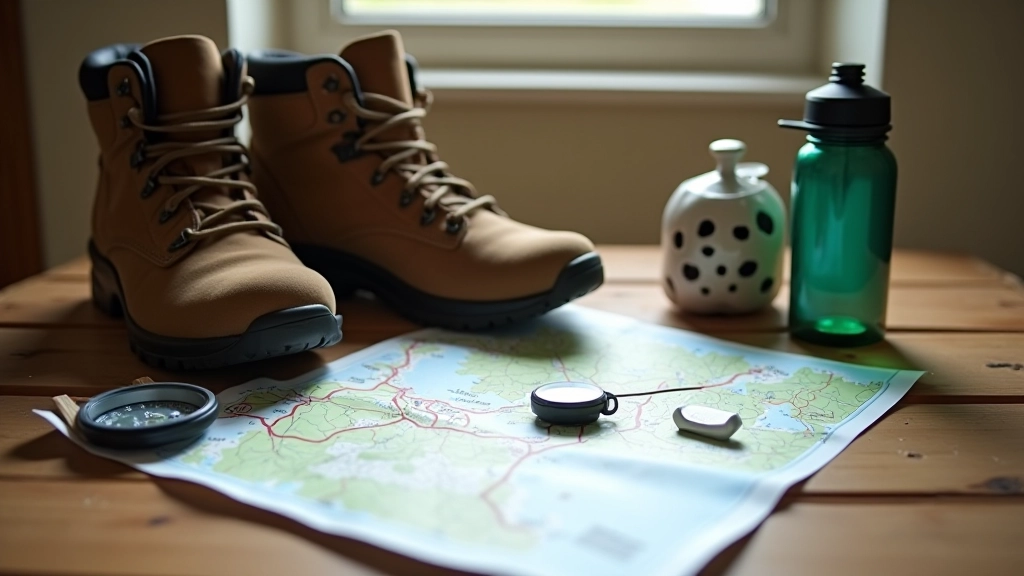
Forget those exhaustive packing lists. Here's what you genuinely need for a good day out:
Water & Snacks
2 liters of water per person minimum. Bring proper food — sandwiches, fruit, energy bars — not just sweets. Hungry people get grumpy.
Weather Protection
A lightweight waterproof jacket in every rucksack, even if the forecast looks fine. English weather changes in minutes. A sun hat is underrated.
First Aid Kit
Plasters, pain relief tablets, and antihistamine for insect bites. Most issues on a walk are blisters — you'll be glad you brought plasters.
Navigation
Don't rely only on phone GPS. Bring a physical map and ideally a whistle. Download offline maps if you're using your phone.
Timing Device
A basic watch helps keep pace. You'll know roughly where you should be at certain times, which prevents wandering or rushing.
Phone & ID
Fully charged phone for emergencies and navigation. A small ID card in case anyone gets separated. Most walking routes have cell coverage.
Staying Safe on the Trails
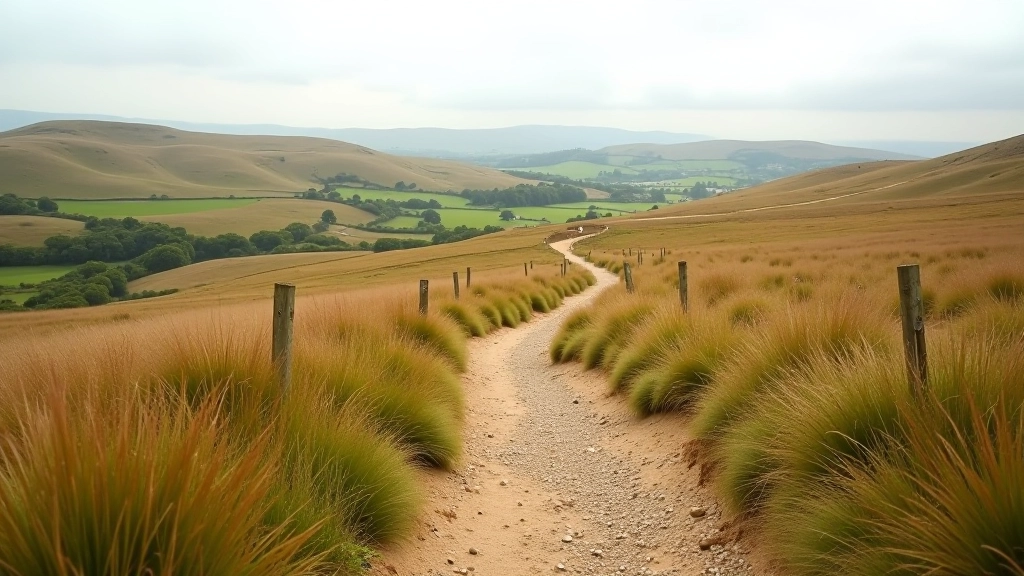
Most walking injuries happen because people rush or underestimate conditions. Stick to marked trails — there's genuinely no point in being adventurous. If you can't see the path ahead clearly, you're probably off-route.
Tell someone where you're going and when you expect to be back. Leave a route description and estimated finish time. It sounds paranoid, but it's genuinely sensible. If anything goes wrong, rescuers will know where to look.
Watch for weather changes. Rain and wind come fast in exposed areas. If conditions deteriorate significantly, turn back — there's no shame in it. A shortened walk where everyone's safe beats pushing through miserable weather.
Making the Walk Enjoyable for Everyone
The difference between a walk people enjoy and one they dread is usually about pacing and expectations. Set a realistic pace from the start — you'll arrive somewhere together feeling good, not exhausted and resentful.
Take proper breaks. Stop for 10 minutes every 45-60 minutes. Sit down, have water, let people catch their breath. You're not training for a marathon — you're spending time together outdoors.
Make it interesting. Point out wildlife, identify plants, notice architecture in villages you pass through. Younger people especially engage better when there's something to actively observe rather than just "walking."
Plan for a proper finish. Don't just end at a car park and drive home. Stop for tea, a pub lunch, or ice cream. The walk's not really finished until you're sitting down discussing it over food.
Ready to Get Out on the Trails?
Pick one of these routes, check the weather forecast, and organize your group. The best family moments often happen on simple walks through beautiful countryside. You don't need fancy equipment or extreme fitness — you just need to show up and walk together.



Important Information
The walking routes and information provided in this article are for educational and recreational purposes. Trail conditions, accessibility, and difficulty levels can vary depending on season, weather, and individual circumstances. We recommend checking current trail conditions, weather forecasts, and local information before embarking on any walk. Always inform someone of your plans, carry appropriate safety equipment, and turn back if conditions deteriorate. Individual fitness levels and abilities vary — choose routes that suit your group's experience and fitness. This information is not a substitute for proper preparation, local knowledge, or professional guidance. Walking inherently carries risks including slips, falls, and exposure to weather. You are responsible for your own safety and the safety of your group.