
Best Museums for Family Days Out
Discover museums across the UK that genuinely engage families, spark conversations, and create memories worth keeping.

Why Museums Matter for Family Time
Museums aren't just quiet spaces where you stare at old things anymore. They're genuinely brilliant places to spend time with your family — no screens, no rushing around, just you and your kids exploring together.
The best part? They work for everyone. Your teenager might think art's boring until they stumble upon something that actually speaks to them. Your grandkids get to run around interactive exhibits. And you get to actually talk to your family for a few hours without everyone disappearing into their phones.
We've visited dozens of museums across the UK and talked to families who make regular trips. The ones that work best aren't necessarily the biggest or most famous — they're the ones that respect both kids and adults, offer something to discover together, and don't cost you a small fortune.

The Big Names That Actually Deliver
London's got the obvious ones — British Museum, Natural History Museum, Science Museum. They're massive, free, and yes, they're crowded. But here's the thing: they work because there's genuinely enough space that you don't feel like you're herding cats through a narrow corridor.
The Natural History Museum's dinosaur galleries get a lot of hype, and fair enough. Kids queue for ages to see them. But the real gem? The geology galleries upstairs. Fewer people, incredible specimens, and honestly just as fascinating. You'll spend 3-4 hours without noticing the time.
Don't skip the quieter wings. The medieval manuscripts in the British Museum's Reading Room area, the textile collections — these are where you'll have actual conversations with your family instead of just walking past things. Plus there's room to breathe.
Pro tip: Visit on a weekday morning if you can. Same incredible collections, about 60% fewer people. Worth taking a day off work.


Museums Where You Actually Touch Things
If standing still for hours sounds like torture, you'll love the interactive museums. The Science Museum, Discovery Museum in Newcastle, and Techniquest in Cardiff let you press buttons, pull levers, and actually do science instead of just reading about it.
Here's what makes these different: they're designed so adults get something out of it too. You're not just watching your kids have fun — you'll actually learn something. And you'll probably argue about who gets to do the next experiment, which somehow counts as quality bonding time.
The hands-on approach means kids stay engaged for longer. A 10-year-old will happily spend an hour experimenting with forces and motion, then drag you to the next section. Your job becomes less "entertain the kids" and more "keep up with them."
- Most interactive exhibits work for ages 6-adult
- Allow 2-4 hours depending on how deep you want to go
- Many offer family workshops on weekends
- Staff are usually genuinely enthusiastic about helping
Hidden Gems That Surprise Everyone
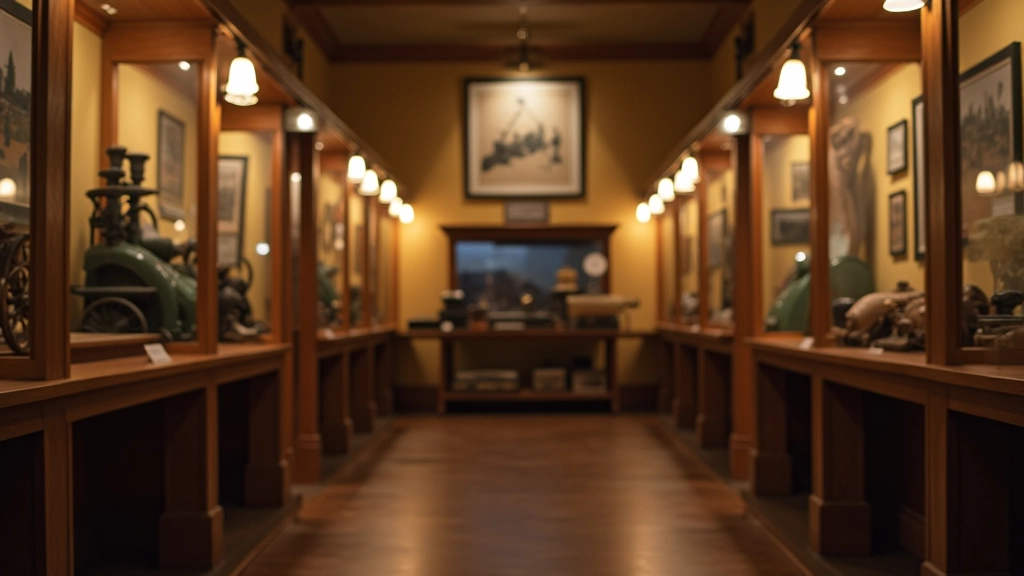
The smaller, specialist museums often punch above their weight. The Potteries Museum in Stoke-on-Trent, the Shipwreck Museum in Cornwall, the Chocolate Museum in York — these places have something the big museums sometimes miss: personality and room to move around.
What we've noticed is that smaller museums actually staff their exhibits properly. Someone's there who actually knows about the stuff on display and will chat with you about it. Not in a "here's the script" way, but genuinely sharing their knowledge. That makes the whole experience different.
They're also less overwhelming. Your family won't spend the first hour just figuring out where to start. You'll see 70% of what's there instead of getting exhausted after hour two and giving up.
"We went to a transport museum thinking it'd just be old buses and trains. My daughter ended up spending an hour talking to a volunteer who'd actually driven some of these buses. She still remembers that day a year later."
— Lisa, parent of two
How to Actually Make a Museum Day Work
Pick One Theme
Don't try to see everything. Pick one or two galleries and actually explore them properly instead of rushing through eight galleries in four hours.
Start When You're Fresh
Go in the morning if possible. Everyone has better energy, the crowds are lighter, and you've got time to actually spend somewhere without watching the clock.
Build in Café Time
Most museums have decent cafés. Stop for a drink mid-visit. You'll chat more, reset, and probably notice things you missed on the way through.
Let Them Choose
Your 14-year-old might skip the historical stuff but get fascinated by the contemporary art wing. Let them lead sometimes. You'll see things from their perspective.
Ask Questions
Museum staff love being asked things. "Why is this here?" or "What's the story behind this?" often gets you a five-minute conversation instead of a plaque reading.
Visit Again Soon
Once you've found one that works for your family, don't treat it as a one-time tick-box. Regular visits mean you actually notice new things each time.
Ready to Plan Your Visit?
Pick a museum that appeals to your family's interests, check their opening times and any special exhibitions, and block out a morning or afternoon this month. You'll be surprised how much you all enjoy just spending time together without screens or schedules.
The conversations you'll have, the things you'll discover, and the fact that you've actually got uninterrupted time with your family — that's what makes museum days special.
More Family Activity Ideas



Important Information
This article is based on our research and family experiences visiting UK museums. Museum opening times, admission policies, and exhibitions change frequently. We recommend checking each museum's official website before visiting to confirm current details, special exhibitions, and any specific accessibility information you might need. Admission charges and free entry policies vary by institution — many major museums offer free general admission but may charge for special exhibitions. Family group discounts are often available, so it's worth asking. Always book in advance during school holidays and weekends, as popular museums can reach capacity.