

Creative Workshops That Bring Families Together
Transform your weekends with hands-on art, pottery, and craft experiences designed for families. We've found the best workshops across the UK where parents and kids actually enjoy creating together.

Why Creative Workshops Matter for Families
Finding activities that genuinely engage both parents and kids is tricky. Most family outings split attention — kids do their thing, adults supervise from the sidelines. Creative workshops are different. You're actually making something together, talking while you work, problem-solving as a team.
We've researched workshops across England, Scotland, and Wales to identify the ones that deliver real value. These aren't just babysitting services. They're spaces where creativity flows naturally, where a parent aged 45-60 can pick up pottery skills alongside their teenager, or where a grandparent and grandchild can collaborate on a painting that actually gets hung on the wall.
The best workshops we found share three things: skilled instructors who don't condescend, welcoming environments without judgment, and projects that feel meaningful by the end of the session.

Types of Creative Workshops Worth Exploring
Each offers something different. Pick what appeals to your family's energy level and interests.
Pottery & Ceramics
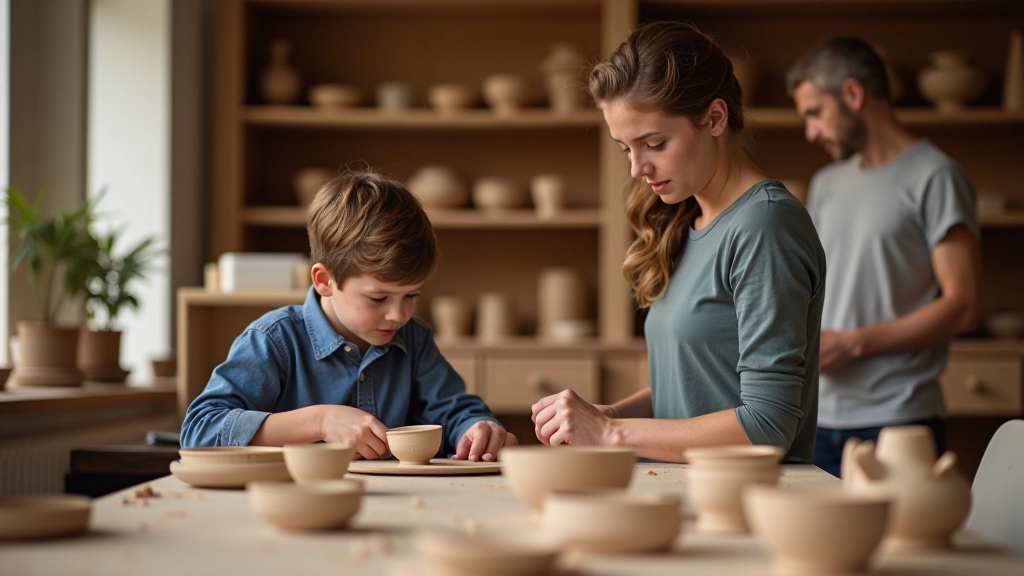
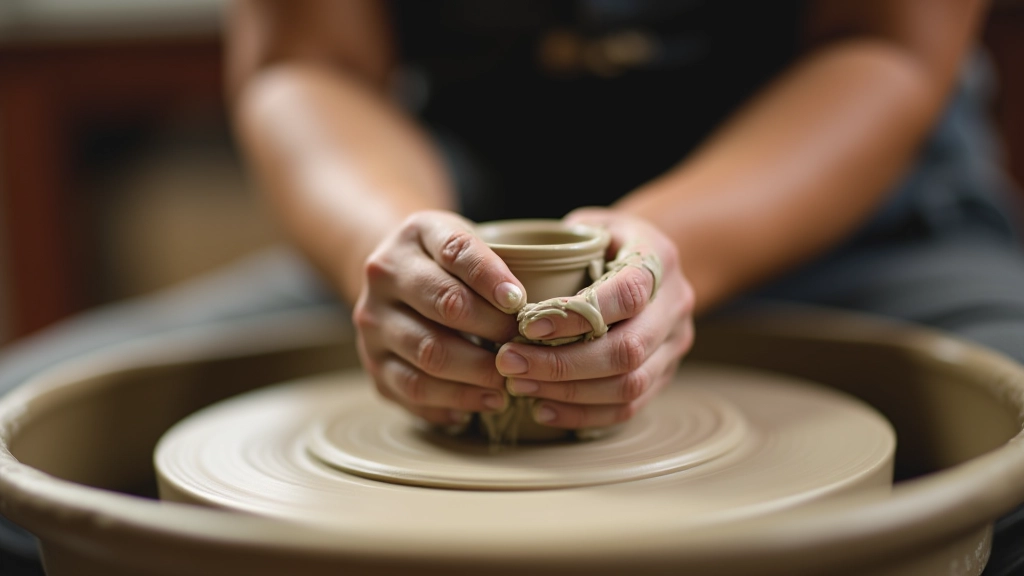
The wheel intimidates at first. But instructors who've worked with families understand that. You'll spend 90 minutes learning basic throwing, centering clay, and shaping bowls. Most workshops fire your pieces and you collect them two weeks later. Kids love the tactile part; parents appreciate the meditative focus.
Painting & Drawing
Ranging from watercolor landscapes to abstract acrylics on canvas. These sessions don't require experience. An instructor demonstrates technique, then you create alongside each other. Finished paintings are takeaways — you'll have something for your walls that you and your kids made together.
Woodworking & Crafts
Building jewelry boxes, cutting boards, or small furniture. Woodworking teaches precision and problem-solving. Safety training is thorough. Working with real tools and materials makes kids feel respected and capable. You'll leave with functional items, not craft-project clutter.
Jewelry & Metalwork
Creating rings, pendants, or bracelets from silver or copper. These workshops appeal to kids who like precision and adults who appreciate craftsmanship. You're learning real skills, not just making trinkets. Finished pieces feel professional and wearable.
Mixed Media & Collage
Using found materials, magazine clippings, fabric, and mixed textures to create unique artworks. Less intimidating for people who think they "can't draw." Encourages experimentation and playfulness. Everyone leaves with interesting finished pieces.
Glass Fusing & Blowing
Creating decorative glass pieces in kilns or learning glass-blowing basics. Visually spectacular and genuinely impressive. These workshops require careful attention to safety and instruction, which kids take seriously. Results are stunning and memorable.
How to Choose the Right Workshop for Your Family
Not every workshop works for every family. Here's what to consider before booking.
1
Age Range & Ability
Check if the workshop explicitly welcomes mixed ages. Some sessions separate children and adults. Others are genuinely designed for collaborative work. Read reviews from families, not just individual attendees. Look for instructors who've taught across age groups.
2
Time Commitment
Sessions range from 2-3 hours for painting to full-day intensive pottery workshops. Consider your family's attention span and schedule. A 90-minute glass-fusing session works well if kids get fidgety. A full Saturday woodworking workshop suits families who like deep focus and breaking for lunch mid-session.
3
Instructor Style
Does the instructor demonstrate? Can they adapt instructions for different skill levels? Do they encourage experimentation or prefer following steps exactly? Visit if possible, or check video clips on their website. You're paying for their expertise and personality as much as materials.
4
What You Take Home
Clarify what happens to finished pieces. Do you leave with them immediately? Are they fired and posted later? Is there an additional cost for firing ceramics? Some workshops include everything; others charge separately for materials or finishing work.
What Actually Happens During a Workshop
First 10-15 minutes: Arrive early, meet your instructor, get oriented to the space. They'll explain the plan and answer questions. Don't feel rushed — good workshops build in this transition time.
20-30 minutes: Demonstration. The instructor shows the technique, often doing it slowly while explaining. They'll point out common mistakes and how to fix them. You're watching and listening, not doing yet. This matters more than people think.
Remaining time: You're actually creating. The instructor circulates, offers feedback, and helps troubleshoot. Kids often finish faster than adults. Good workshops have suggestions for extending the project or starting something new. Some parents finish their piece and then help their kids refine theirs — that's the collaborative part that makes these workshops special.
Last 10 minutes: Cleanup and discussion. You'll see what others made. There's genuine appreciation, not competition. You pack up and leave with a sense of accomplishment.
Tips for a Successful Workshop Experience
Small things that make a big difference.
Wear Clothes You Don't Mind Getting Messy
Clay dust, paint splatters, and glass fragments happen. You'll relax more if you're not worried about your clothes. Aprons help but don't guarantee protection. Leave the white blazer at home.
Arrive 10 Minutes Early
You'll get a better workspace, chat with the instructor about your interests, and feel less rushed. Kids settle better when there's no last-minute scramble. It's worth building in travel buffer time.
Don't Aim for Perfection
Finished pieces don't need to be Instagram-worthy. The value is in the process — the conversation, the learning, the time together without phones. Wobbly bowls and uneven paintings have charm and authenticity.
Ask Questions Without Hesitation
You're paying for expertise. Good instructors love answering questions. Ask about technique, materials, what you could do differently, how to practice at home. That's what separates mediocre workshops from excellent ones.
Plan a Post-Workshop Conversation
After the session, grab coffee or a meal and talk about what you made. What surprised you? What was harder than expected? Would you do it again? These conversations are often where the real bonding happens.
Take Photos of Your Work
Document the pieces you made. If ceramics need firing, photograph them before they leave. You'll appreciate having visual memory of the day. Kids love seeing their creations documented and valued.
Where to Find Quality Creative Workshops
The UK has thriving creative communities. You'll find workshops in city centers, countryside estates, and renovated industrial spaces. Some are one-off sessions; others run weekly or monthly programs for regulars.
Major cities — London, Manchester, Edinburgh, Bristol, Cardiff — have the most options. But smaller towns increasingly host traveling instructors or community studio spaces. Rural areas sometimes have artist studios that open for weekend workshops, which can be atmospheric and peaceful.
Search for "family pottery workshops near me" or "[your city] art classes" to start. Look at local arts councils, community centers, and independent artist websites. Read reviews specifically mentioning family experiences. Check if workshops are one-time events or regular series — some families prefer the commitment and progression of ongoing classes.

Ready to Make Something Together?
Creative workshops offer something rare: genuine quality time where everyone's engaged in something meaningful. You're not just spending an afternoon together — you're creating memories and tangible pieces that represent your time as a family.
Start with one workshop that appeals to you. Pay attention to how your family feels during the process. If it clicks, explore other types. Many families who discover their preferred workshop return regularly, building skill over time and deepening their creative confidence together.
Explore More Family ActivitiesDisclaimer
This article provides informational guidance about creative workshops available in the United Kingdom. Specific recommendations and details are based on general knowledge of workshop types and family experiences. Actual workshop quality, availability, and suitability vary significantly by location, instructor, and participant. We encourage you to research workshops in your area, read current reviews, verify pricing and scheduling directly with providers, and contact instructors with specific questions about your family's needs and abilities. Safety protocols and age requirements vary by workshop — always confirm these details before booking. This content is for educational purposes and doesn't constitute professional advice for selecting or booking any specific workshop or instructor.
Related Articles